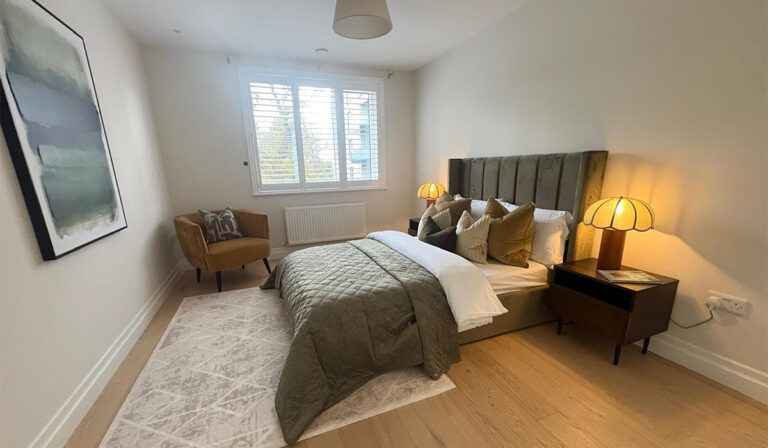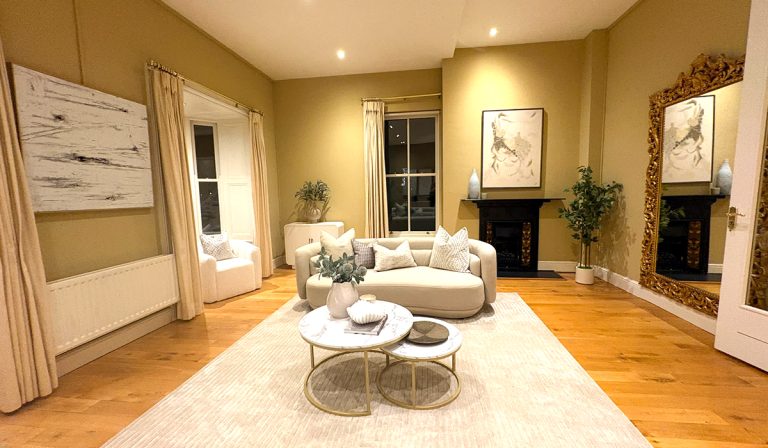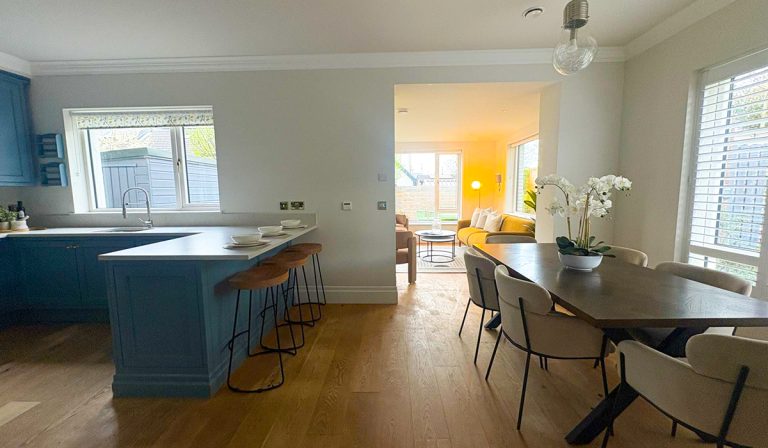
Elevate The Vibrancy of Your Home with House Painting
A home is more than just walls and ceilings. It’s a reflection of your personality and lifestyle. With the right colours and finishes, you can completely transform your living space into something vibrant, cozy, or sophisticated. Professional House Painting in Dublin services bring expertise, efficiency, and creativity to every project, ensuring a flawless finish that lasts. Whether you’re refreshing a single room or repainting your entire home, the right approach to painting can make a remarkable difference. In this blog, we’ll explore why painting matters and how to maintain the appeal of the freshly painted walls.
Why House Painting matters more than you think?
1. Improves aesthetic appeal
Your home’s appearance, both inside & out, can be immensely improved by simply repainting it. A new paint job can give it a fresh, updated look & will also make your space feel more inviting & well-maintained.
If you choose the right colour combinations, you can highlight certain architectural elements that would otherwise go unnoticed, give better perceptions of lighting, & create a unified look throughout your entire home.
2. Boosts the value of the property
Your home’s first impression as it relates to the sale or rental potential of the property. This effort will affect buyers to a greater degree if it appears fresh/new and there has been a significant amount of work done on it.
When they see a property with a fresh coat of paint, buyers are more likely to come to an agreement of sale or rental. Even one repaint can provide great ROI to you, so a repaint is one of the most affordable ways to increase property value.
3. Enhances the mood and ambience
Colours have been shown to have a huge psychological impact on how you experience a space. For example, blues and greens create calmer feelings while yellows and oranges offer warmth and energy.
By painting various rooms using different shades from the same colour palette, you’ll be able to set the mood; i.e., create a calming bedroom, an energised living area, and a productive home office.
4. Covers imperfections
Over time, walls accumulate stains, scuffs, scratches, and small indentations. A fresh coat of paint will mask the evidence of these imperfections, creating a smooth and refined look for the surface of your walls. When good quality paint is combined with proper surface preparation, it can make even the oldest walls appear to be brand new.
Understanding the Benefits of House Painting
1. Protects walls from damage
In addition, paint provides a barrier between your walls and the elements, including moisture, sunlight and temperature fluctuations. This is critical for exterior walls that constantly face external influence.
If your walls are not painted properly or are allowed to deteriorate due to lack of maintenance, cracks, moisture, or mould will develop in the walls, contributing to future major repairs to the structure of your building.
2. Reflects one’s personal style
Your choice of colours and finishes greatly influences how your home reflects who you are and what your preferences are. Painting allows you to create the design of your interiors exactly how you would like them to be, whether you prefer bold and lively colours or soft and neutral colours. Painting can give you the ability to change your interior designs in response to new fashions or trends over time.
3. Improves indoor air quality
Modern paints, especially low-VOC or no-VOC paints, have been created to emit fewer harmful air pollutants. By using modern paints, you can improve the quality of the air in your home, which is especially beneficial for children, elderly persons, and people who have allergies.
In addition to improving indoor air quality, high-quality paints reduce odours and thus help to promote a healthy living environment for you and your family over time.
4. Extends the longevity of the walls
Regularly painting adds a layer of protection to your wall, helping prevent daily use and exposure from damaging the surface of the wall and reducing damage due to wear and tear over time. This means that you will not have to repair or replace your walls as frequently, saving you money and time in the long term.
How to Prepare Walls for a Smooth Finish?
1. Cleaning the walls thoroughly
Cleaning the surfaces thoroughly before starting any painting project will prevent contaminants from interfering with the adhesion of the new paint. A wise advice would be to clean the walls with a damp cloth or using a mild detergent solution to achieve best results.
Especially in the kitchen surfaces and those exposed to the most traffic should be wiped down more often than other surfaces. Clean surfaces help the new paint adhere evenly to the wall, creating a smooth and long-lasting finish that does not contain any irregularities or patches.
2. Sand the surface for smoothness
Sanding down walls before painting will remove rough areas, old paint chips, and variances in texture. Additionally, by sanding walls, you can create a slight surface texture to help the new paint adhere better to the walls.
This step is especially important for the repainting of glossy or previously painted surfaces because it will aid in the prevention of peeling paint, as well as enhance the overall finish
3. Protecting the furniture and flooring
Before you start painting your home, remember to protect all of your furniture, flooring, and fixtures with drop cloths or plastic sheeting. This will prevent accidental paint spills or splatters from damaging your property.
Protecting your property will help to reduce waste during cleanup and will allow you to concentrate on painting without having to worry about the possibility of creating a mess or stain.
4. Ensure proper ventilation
Good airflow is necessary when preparing to paint a surface. Open all windows and doors to allow air to move and assist with drying the surface area. Ventilation assists with drying surfaces as well as decreasing inhalation of paint fumes, creating a safer working environment for all who are involved in the painting process.
Things To Consider Before Starting House Painting Projects
1. Repair cracks and holes
Inspect your walls and note any cracks, dents and/or nail holes that need attention before painting. Use the appropriate filler/putty for your repairs, which will create a flat/level surface. Once the filler/putty has dried, sand it down softly to blend in with the surrounding wall surface.
2. Applying a quality primer
Primer provides a foundation for our finish coating by enhancing adhesion and also helps make our colours more vibrant by providing a barrier that allows the final finish colours to become more vibrant; this is particularly important when covering over darker colours, stains or new drywall.
3. Taping the edges and fixtures
Painter’s tape can be used to mask off edges and trim work, switches and fixtures that we do not want to paint; the tape creates a clean line between painted and unpainted surfaces and keeps paint from getting onto unwanted surfaces.
4. Checking the wall dryness before painting
Ensure that the walls are completely dry after you have cleaned or repaired them before painting. The moisture trapped in the wall could cause your paint to bubble, peel, or have an uneven finish.
Conclusion
House painting is a powerful way to refresh your home, protect your walls, and enhance your living environment. Whether you choose to do it yourself or hire experts, the right approach ensures long-lasting and beautiful results.
Apartment Painting stands out as a trusted name. Their expertise in Dublin Painting and decorating ensures every project is completed with precision, creativity, and attention to detail, helping you turn your vision into reality.